
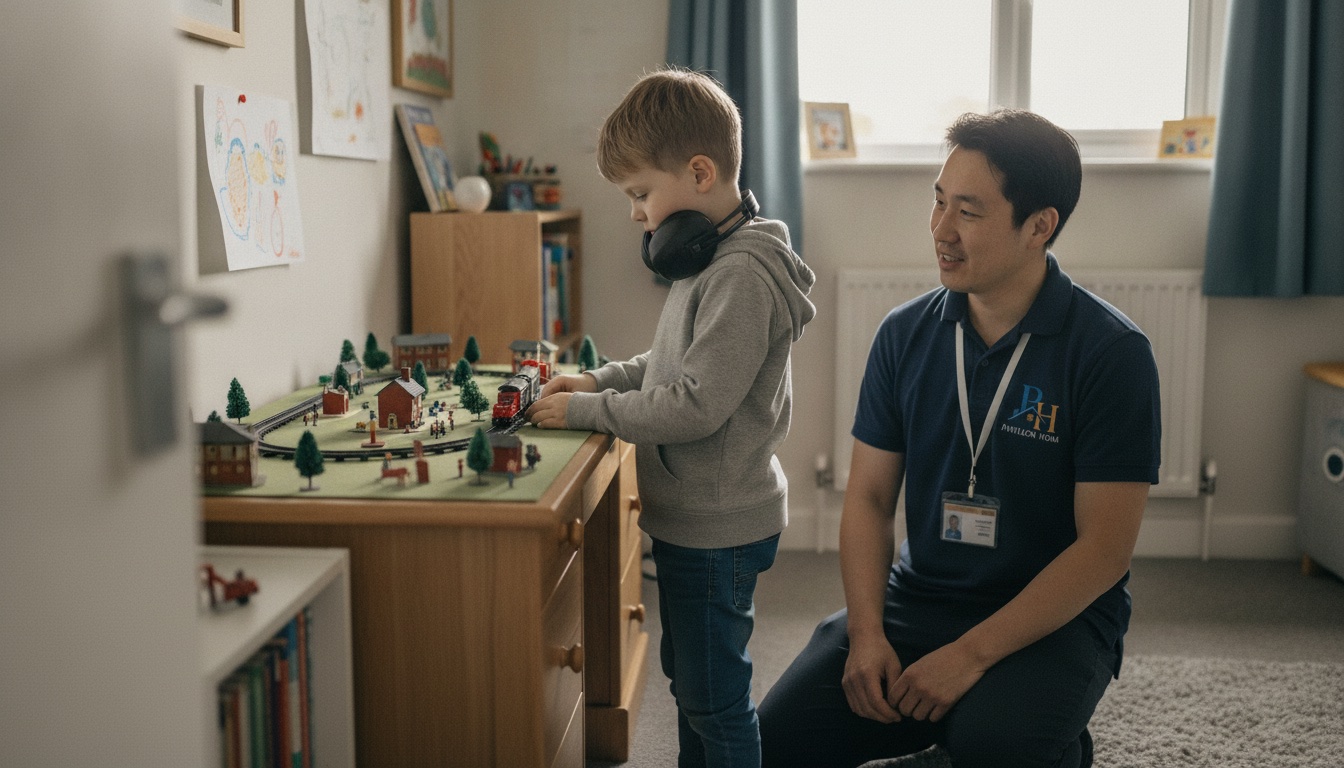
Autism-Specialist Support for Children in Doncaster
Personalised, respectful support focused on understanding the individual child, never on making every child fit the same routine.
- Sensory room on site
- Consistent daily routines
- Communication matched to each child
Understanding each child's world
We recognise that autistic children and young people have individual ways of communicating, experiencing and understanding the world. We take time to understand each child's communication style, sensory needs, preferences, routines, interests and potential triggers.
We recognise that behaviour can be a form of communication. Where a child experiences distress or difficulty expressing their needs, our staff seek to understand what they may be communicating and respond with patience, compassion and appropriate support.
Who this support is for
Autistic children and young people aged 0 to 17, including those who also have:
- A learning disability
- Sensory processing needs
- Communication difficulties, including children who do not use speech
- Emotional and behavioural needs
- Other neurodevelopmental conditions
Our support may include
- Consistent daily routines
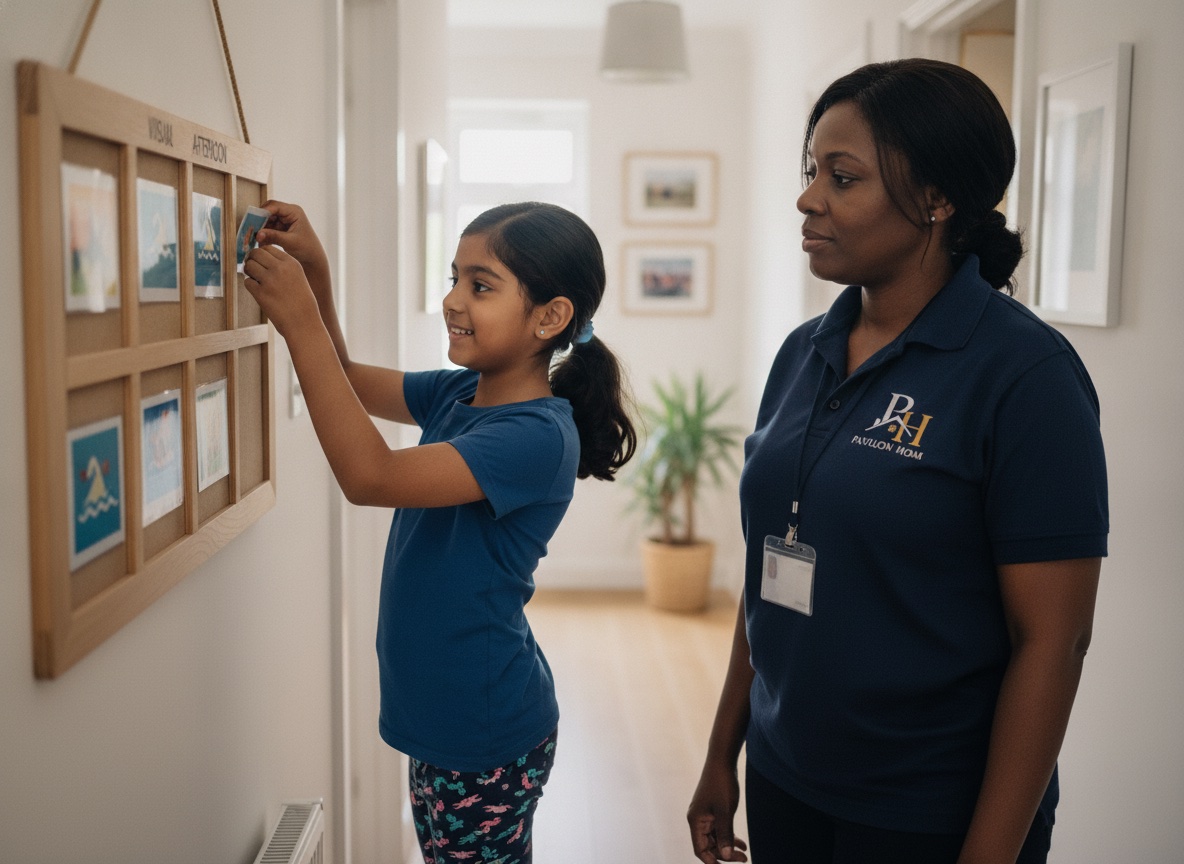
- Visual schedules and communication tools
- Sensory-aware environments, including our sensory room
- Support with transitions and changes
- Positive behavioural support
- Assistance with communication
- Structured activities and special interests
- Support with social interaction
- Community participation
- Support with emotional regulation
What makes our support different
Sensory-aware care
A sensory room and reasonable adjustments to lighting, noise and space help children feel safe.
Communication that fits
Visual schedules, symbols, communication aids or speech — whatever works for the child.
Small and consistent
A maximum of two children means familiar faces and predictable days.
Planned change
New people, places and routines are introduced gradually and explained in advance.
Understanding behaviour
Staff seek to understand what behaviour communicates and reduce the causes of distress.
The child leads
Preferences, interests and routines shape each day, not the other way round.
How a referral works
Referral
A local authority, social worker or family contacts us about a child.
Understanding the child
We learn about communication, sensory needs, routines and what helps the child feel calm and safe.
Careful assessment
We consider whether we can safely meet the child's needs and the match with any child already living with us.
Planned, gentle move
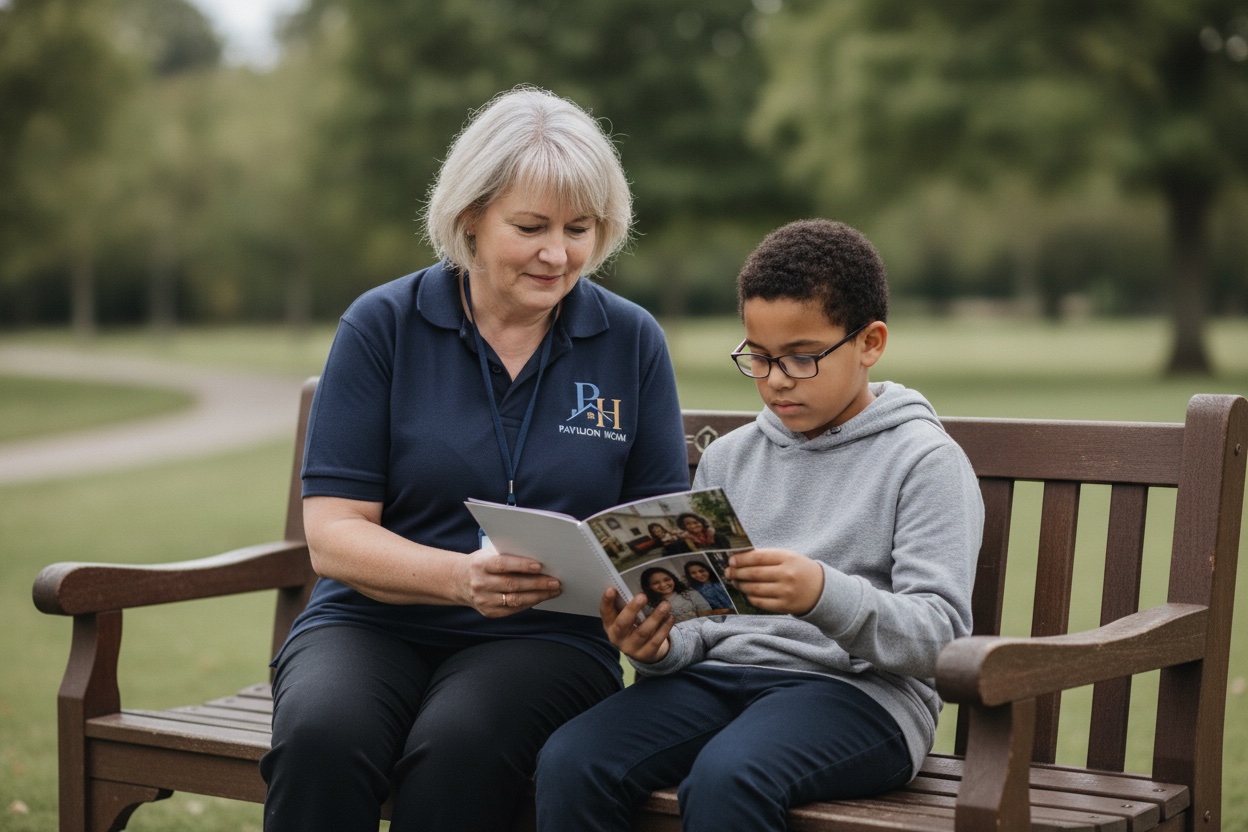
Gradual visits, photo introductions to staff and the home, and a paced move.
Settling in
Support begins with a familiar team and a routine agreed in advance.
Ongoing reviews
Plans keep pace as the child develops and their needs change.
Frequently asked questions
Prefer to talk? Request a call back
Leave your details and a member of our team will call you at a time that suits you.
Need to discuss a placement or support package?
Whether you are a family member exploring options or a professional seeking the right pathway, our referral team is here to listen and respond promptly.